
The sunny days of 2026 seem to have drawn to a close bringing rain, flooding and darker skies. When navigating the maze of public health information post Covid, it may be time to reconnect with what our bodies, instead of profit motivated corporations, are telling us.
Remember what the human body has survived. Those of us alive today lived through maybe more than one devastating bottleneck in our evolution. We also survived the Ice Age and are likely to live in one place, not move around as our ancestors did seasonally or migrated to “follow the food”.
If you have seen the Desert Kites documentary on BBC iPlayer, you may also know that ancient people found ways of mass slaughtering and processing herding animals to feed a growing population and for trade with other civilisations.
Symptoms we experience with a virus today would be our bodies’ knowing response to something coded into the immune system not just to annoy us. Before Covid, you might remember having a stinking cold and still being expected to turn up at work. Hence you might then infect all your colleagues and they spread it to their families at home and perhaps an elderly or sick relative of theirs might even die. (This happened to me in 2009 so I faked food poisoning and was given the week off).
Let’s just use our brains, some of which dodged shutdown or are coming back to life after 6 years of vaccine-dodging Covid.
Symptoms and causes
Symptoms you may be coming down with something could include:
- Sneezing – before a virus has got in, the nose will try and expel any pathogen
- A sore throat – this is the first line of defence with the throat attempting to block virus from entering your system from your nose or mouth.
- A fever – viruses don’t like heat so this is a line of defence to try and kill the virus
- A cough – aimed at expelling pathogen that has reached the lungs
- Fatigue – your blood is taking protein from your muscles to go round your body doing maintenance and repairs to virus damage
- Loss of smell – your zinc stores have been used up fighting the virus
- Runny or blocked nose – the opaque liquids we expel during infections are the body’s security team at work expelling rogue virus cells and stopping them from spreading.
- Loss of voice, nausea, ear and headache – the virus is in and the body is trying to fight it and rope you in to give it what it needs to win the battle. These are the war flags.
The good news is your body is at work but it doesn’t feel so good. Hopefully one day bosses will learn that the simplest way of preventing all the staff from coming down with a virus is to let people with early warning signs when they are most infectious to stay at home.
Going to Battle
Luckily all the weaponry you need is natural. I’ve heard of people taking steroids, painkillers or antibiotics to beat a virus. Personally, I wouldn’t do that. Especially as increased use of antibiotics can lead to antibiotic resistance.
Firstly, as the sun becomes too weak to provide us with Vitamin D between September and April we start to become deficient in one of the more important micronutrients. Luckily it is 2026 (not March 2020 when vitamin D sellers were accused of medical fraud and aggressively shut down by “health authorities”) and we can buy D3 (animal protein) or D2 (plant protein) off the shelf.
How much do we need?
According to the NHS we need 10mcg a day. That is 400 International Units. However, we store fat soluble vitamins and so can take 50mcg every few days. Essentially, when you are not ill but start feeling drowsy or gloomy you might be getting deficient in Vitamin D, the sunshine vitamin.

Vitamin D deficiency can also affect your mood but also your hair, skin and nails. This is because our bodies need vitamin D to make calcium and regulate phosphorus. This is why too much vitamin D being stored can also lead to calcification.
Most importantly when taking a vitamin D3 or D2 supplement is to provide a carrier as, unlike vitamins C and the BS, it doesn’t dissolve in water and needs to be carried into the blood stream with dietary fats. (see a list further below).
More of a Good Thing is Not a Better Thing
Pharmaceutical companies assuming that consumers are a bit dim or susceptible to “official information”, they try to discredit micronutrient supplements by saying they don’t treat or cure.
I think most people know that a supplement is only to fill a deficiency and has never been a treatment, except of course for deficiency. Therefore someone with rickets might be treated with vitamin D as rickets is caused by a lack of vitamin D. (This is a result from a “treatment” that seems to escape many pharmaceutical companies).
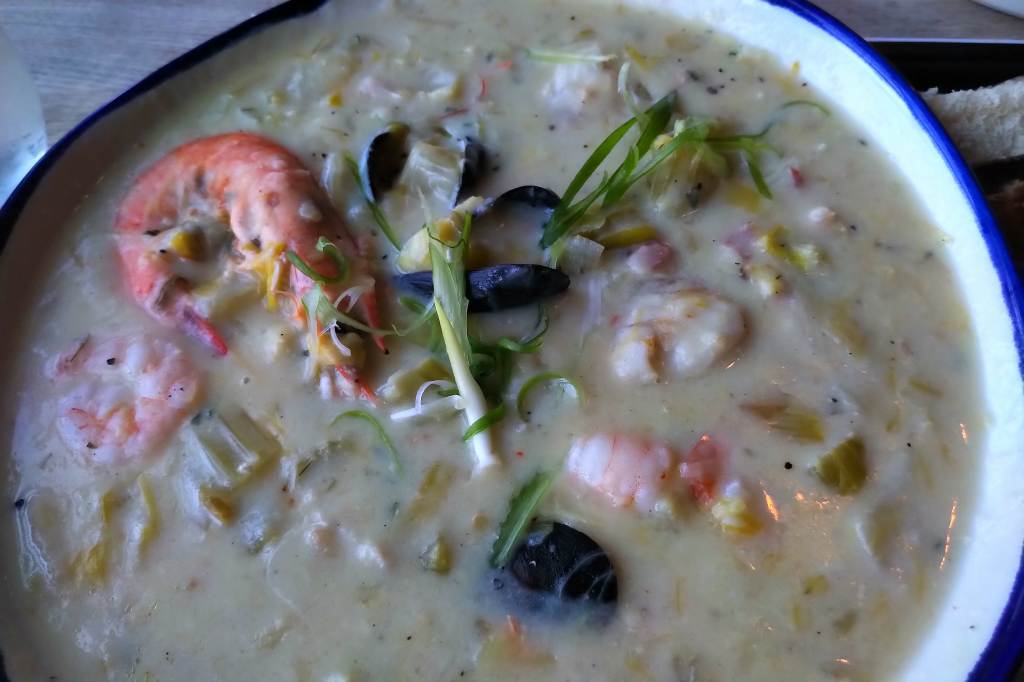
When we lose our sense of smell due to a virus, this is a good time to get some zinc inside yourself. Zinc comes from foods containing protein from nuts, seeds, dairy, pulses, grains and beans through to red meet, seafood including shellfish and dairy.
Zinc
Zinc is a trace element, meaning a tiny amount is needed each day. It comes from organ meat, poultry, red meat, shellfish and seafood and dairy as well as mushrooms, grains such as quinoa and buckwheat, chickpeas or hummus, oats or porridge, beans and pulses.
All of the above are suitable to eat before taking a vitamin D supplement
Skin colour and ancient hunter diet
I always believed that white or pale skin came predominantly from a period of loss of sunlight or living underground following a cataclysmic event 10,000 years ago. The carved pillars at Gobekli Tepe and the distinct lack of motivation to paint or carve onto architecture that came later seems to hint towards a sudden event such as a meteor shower. Dr Martin Sweatman’s book Prehistory Decoded proposes that a large disintegrating comet trapped in the inner solar system created dense debris swarms within the Taurids that periodically strike Earth.

However, another argument for the cause of skin loses its pigment is from the changing diet from the hunter gatherer to agriculture. I never thought we could get enough vitamin D through diet however people have survived in colder climates long before supplements were invented. This theory suggests that as people turned to eating plants and food, their skin lightened in order to allow in more vitamin D from the sun.
Can a high protein diet of offal, red meat, poultry and seafood provide enough vitamin D? If so, how would we get enough vitamin C? It’s all just getting a bit much.
Luckily today we can, if we want to, pursue the right information for ourselves by knowing what micronutrients we all need, what foods they come from and what dose of supplement to take to fill gaps in our diet. By keeping sufficient micronutrients coming we can therefore avoid any unneeded illness and be well defended against the spread of spreadable diseases.
it’s also worth avoiding unventilated spaces, people who are coughing and sneezing, shared surfaces and swim water when ill people are out and about. However, I always wondered if there has never been a cure for the common cold because it provides us with an annual clear out of toxins and inflammation and leaves us with some immunity.
Another question dangling that got sorely beaten during Covid.
If you have reached here, a preview of a future blog is that vitamins A, C and E as well as copper best support the immune system. So ACE the diet and arrest the cold. Vitamins A and E are fat soluble so need a fat carrier into the blood and vitamin C is water soluble. We need it every day but dispense of what our body doesn’t use so it doesn’t hurt to take 1000 mg a day. Copper comes from oats or porridge among other things but we need it through diet not a copper mug.

